How Often Should Warehouse Floors Be Scrubbed?


Most warehouses need their busiest floor areas, such as dock doors, staging, and main forklift travel lanes, scrubbed daily or several times a week, while low-traffic storage aisles can usually go weekly to monthly between scrubs. The right schedule depends on how much traffic each zone sees, what lands on the floor, the floor finish, and the season. In Minnesota, winter salt and slush at the docks can push the schedule up for months at a time.
That answer sounds loose because it has to be. A 40,000 square foot building with two dock doors and a 300,000 square foot cross-dock running three shifts do not need the same plan. What follows is a practical way to set scrubbing frequency by zone, so you are not paying to scrub clean floors or letting the dirty ones slide.
What equipment makers and OSHA actually say
There is no federal rule that sets a scrubbing schedule. OSHA's walking-working surfaces standard, 29 CFR 1910.22(a), requires employers to keep workroom floors clean and, to the extent feasible, dry, and to keep walking surfaces free of hazards such as leaks, spills, snow, and ice. It also expects surfaces to be inspected regularly and as necessary. How often you scrub is how you meet that expectation, not a number the rule hands you.
Floor equipment makers offer starting points. Tennant's warehouse guidance suggests sweeping and scrubbing high-traffic areas daily, deep cleaning floors weekly, and doing a full inspection monthly. Another Tennant guide puts general scrubbing at weekly or every other week depending on traffic. Global Industrial's floor maintenance guide says high-traffic areas may need daily or shift-based attention and lower-use zones can be kept up weekly.
Those are useful baselines, but they come from companies that sell machines. Treat them as a place to start, then adjust to what your floor tells you.
Why one schedule rarely fits the whole floor
The most common mistake is putting the entire building on one frequency. Soil does not spread evenly across a warehouse. It arrives at the docks, travels down the main lanes on forklift tires, and thins out by the time you reach the back racks.
A zone plan usually looks something like this as a starting point:
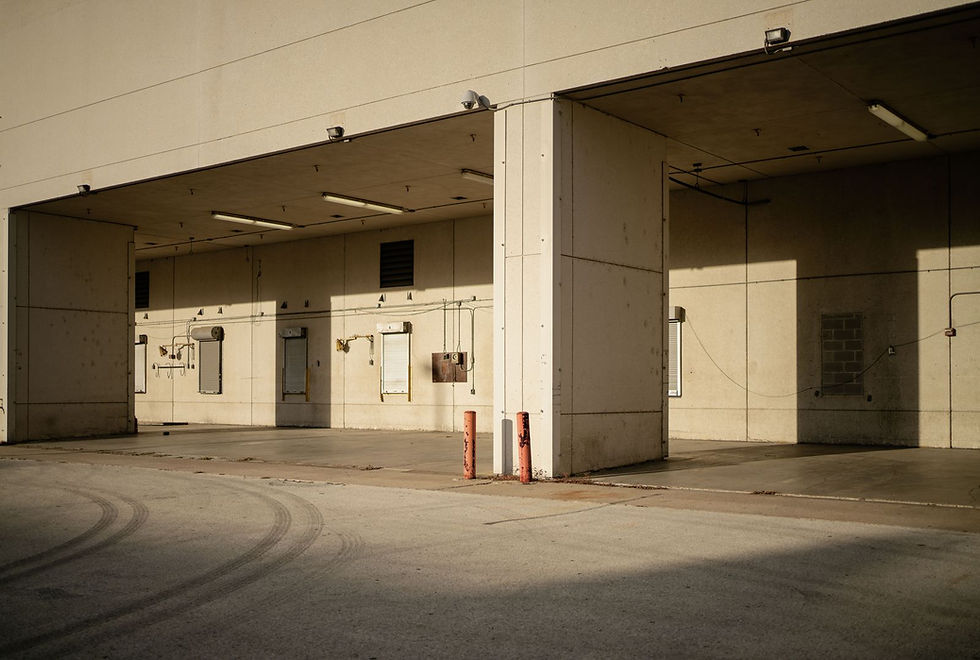
Dock doors and staging: sweep daily, scrub daily or several times a week. This is where rain, snow, salt, and outside grit come in.
Main forklift travel lanes: sweep daily, scrub daily to weekly depending on traffic. Tire marks and ground-in dust build up fastest here.
Pick and pack areas: sweep daily, scrub weekly. Cardboard dust and shrink wrap scraps collect where people work on foot.
Battery charging and maintenance areas: spot clean as needed, scrub at least weekly. Oil and battery residue need prompt attention.
Low-traffic storage aisles: sweep weekly, scrub monthly, with a deeper scrub a few times a year.
These ranges reflect common practice in equipment maker guidance, not a published standard. Your building may need more in some zones and less in others.
What pushes the schedule up or down
A few factors move frequency more than anything else.
Traffic. More forklift trips and more shifts mean faster resoiling. A building running around the clock may need daily scrubbing in lanes that a single-shift building could handle weekly.
Season. Minnesota winters bring salt and slush in on truck tires, forklift wheels, and boots. Salt residue leaves a white film on concrete and makes floors slick when wet. Many facilities add scrubbing passes at the docks from roughly November through March, then ease back in spring.
Floor finish. Sealed and polished concrete is easier to keep clean, but grit left on the surface wears it down. Bare concrete holds dust and stains more readily. Epoxy and other coatings need pads and chemicals that will not damage the finish.
What you store and ship. Food, beverage, and pharmaceutical operations often scrub more of the floor more often for audit reasons. A warehouse storing palletized dry goods usually has more room to stretch the schedule in storage areas.
Sweep first, then scrub
Scrubbing a floor that has not been swept is one of the most common floor care problems in warehouses. Tennant's guidance and other industry sources make the same point: dry grit caught under scrubber pads acts like sandpaper on the floor, and debris collects along the squeegee and leaves streaks or water behind.

A good routine removes dry debris first with a sweeper or dust mop, then scrubs. Some facilities use a combination sweeper-scrubber in open areas and a smaller walk-behind machine in narrow rack aisles that a ride-on unit cannot reach. Either way, the floor should be left dry, with wet areas marked until they are.
How to tell if your current schedule is working
The floor will tell you. A simple monthly look at each zone is more useful than a fixed calendar. Watch for:
Tire marks that come back within a few days of a scrub
Tacky or slick spots, especially near docks and chargers
Dust settling on lower rack beams and stored product
Floor striping and safety markings getting hard to read
Standing water or a hazy film after scrubbing
If the same zone keeps failing, add frequency there or change the method. If a zone looks clean every time you check, you may be able to cut back and move those hours to an area that needs them.
Scheduling scrubbing around operations
In most warehouses the hardest part is not the scrubbing. It is finding time when lanes are clear. Facilities that run one or two shifts often scrub after hours. Round-the-clock buildings usually scrub zone by zone during the slowest windows, such as shift changes, so travel lanes are never all blocked at once.
Clear Facility Services can serve warehouses, distribution centers, and manufacturing plants across Hennepin, Ramsey, Anoka, Scott, Dakota, and Carver counties, with floor scrubbing scheduled around your shifts as part of a written scope. Learn more on our industrial and warehouse cleaning page. To set a zone-by-zone plan for your floor, request a free estimate at +1 (952) 900-2215 or info@clearfacilityservices.com.
Frequently asked questions
Does OSHA require warehouse floors to be scrubbed on a set schedule?
No. OSHA 1910.22 requires floors to be kept clean, as dry as feasible, and free of hazards like spills, snow, and ice, and to be inspected regularly. It does not name a scrubbing frequency. The schedule is up to each facility.
Is sweeping enough for a warehouse floor?
Sweeping removes loose dust and debris but does not lift oil, tire marks, or ground-in grime. Most warehouses need both: frequent sweeping to keep grit off the floor, and regular scrubbing to actually clean the surface.
Should warehouses scrub more often in winter?
Usually, yes, at least near the docks. Salt and slush tracked in on tires and boots leave residue and wet spots, so many Minnesota facilities add scrubbing in entry and dock zones during the winter months.
How long does it take to scrub a warehouse floor?
It depends on the square footage, the machine's cleaning path width, how many obstacles and narrow aisles there are, and how dirty the floor is. A floor care provider can estimate the time once they have seen the layout and traffic.