Master the Art of Commercial Building Maintenance
- Clear Facility Services

- Aug 18, 2025
- 4 min read
Maintaining a commercial building is more than just keeping it clean. It involves a comprehensive approach to ensure the safety, functionality, and aesthetic appeal of the property. Proper building maintenance services can extend the life of your facility, reduce costly repairs, and create a welcoming environment for tenants, employees, and visitors. This guide will walk you through the essential aspects of commercial building maintenance and provide practical tips to help you master this important task.
Understanding Building Maintenance Services
Building maintenance services cover a wide range of activities designed to keep a commercial property in optimal condition. These services include routine inspections, repairs, cleaning, and preventive measures that address potential issues before they become major problems.
Some key components of building maintenance services include:
HVAC system upkeep: Regular servicing of heating, ventilation, and air conditioning systems to ensure efficient operation and indoor air quality.
Electrical system checks: Inspecting wiring, lighting, and electrical panels to prevent hazards and maintain functionality.
Plumbing maintenance: Fixing leaks, clearing drains, and ensuring water systems operate smoothly.
Structural repairs: Addressing cracks, leaks, and wear in walls, roofs, and foundations.
Safety inspections: Ensuring fire alarms, sprinklers, and emergency exits meet safety codes.
By scheduling these services regularly, building owners can avoid unexpected breakdowns and maintain a safe environment.

Key Benefits of Professional Building Maintenance Services
Investing in professional building maintenance services offers numerous advantages that go beyond simple upkeep. Here are some of the most important benefits:
Cost Savings
Preventive maintenance helps identify small issues early, reducing the need for expensive emergency repairs. For example, fixing a minor roof leak promptly can prevent water damage that would require costly restoration.
Enhanced Property Value
Well-maintained buildings retain their value better and attract higher-quality tenants or buyers. Regular upkeep signals that the property is cared for and reliable.
Improved Safety and Compliance
Adhering to safety regulations and codes protects occupants and reduces liability risks. Routine inspections ensure that fire safety systems and electrical components are up to standard.
Increased Energy Efficiency
Maintaining HVAC and lighting systems can lower energy consumption, reducing utility bills and environmental impact.
Better Tenant Satisfaction
Clean, functional, and safe spaces contribute to tenant comfort and retention. Prompt maintenance requests build trust and improve relationships.
Engaging a professional service provider ensures these benefits are realized through expert knowledge and efficient execution.

What Does Commercial Cleaning Consist Of?
Commercial cleaning is a vital part of building maintenance services. It involves thorough cleaning practices tailored to the needs of commercial spaces, which often experience higher foot traffic and require specialized care.
Typical commercial cleaning tasks include:
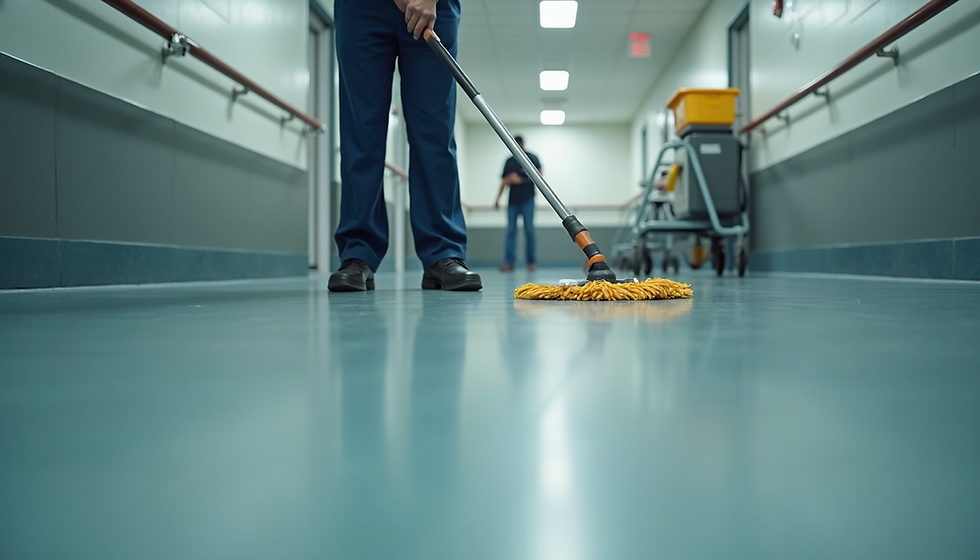
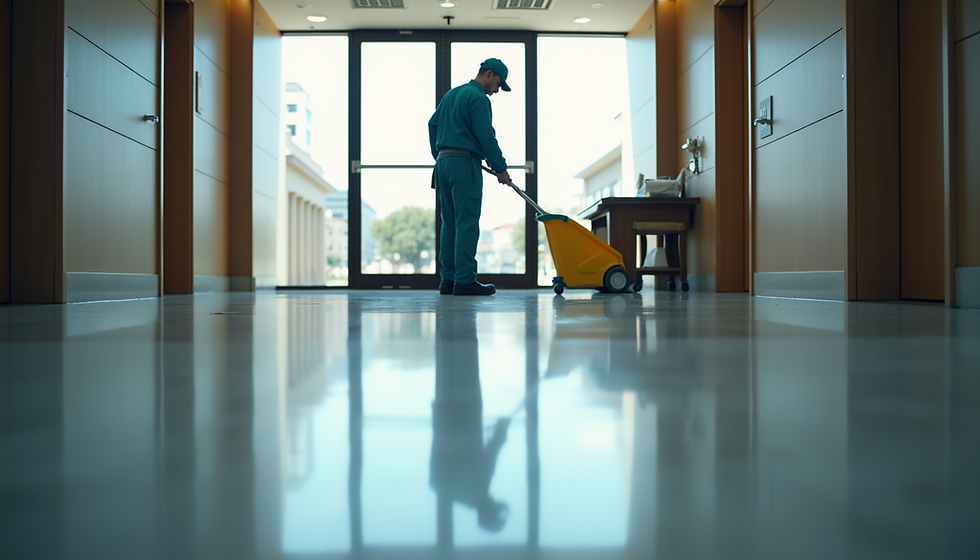
Floor care: Sweeping, mopping, polishing, and carpet cleaning to maintain appearance and hygiene.
Window washing: Cleaning interior and exterior windows to enhance natural light and curb appeal.
Restroom sanitation: Disinfecting toilets, sinks, and surfaces to prevent the spread of germs.
Trash removal: Regular emptying of waste bins and proper disposal.
Dusting and surface cleaning: Removing dust from furniture, fixtures, and vents to improve air quality.
Many businesses rely on expert providers for commercial building cleaning to ensure consistent, high-quality results. These professionals use industry-grade equipment and eco-friendly products to maintain a healthy environment.

Developing a Maintenance Schedule That Works
Creating a maintenance schedule is essential for effective building upkeep. A well-planned schedule helps prioritize tasks, allocate resources, and track progress.
Here’s how to develop a practical maintenance schedule:
Assess Your Building’s Needs
Identify critical systems and areas that require frequent attention. For example, HVAC units may need quarterly servicing, while fire alarms require annual testing.
Set Priorities
Focus on safety-related tasks first, followed by preventive maintenance and aesthetic improvements.
Create a Calendar
Use digital tools or spreadsheets to map out maintenance activities by week, month, or season.
Assign Responsibilities
Determine who will perform each task—whether in-house staff or external contractors.
Monitor and Adjust
Regularly review the schedule’s effectiveness and make adjustments based on building usage, weather conditions, or new regulations.
By following these steps, you can ensure that maintenance is consistent and manageable.
Tips for Choosing the Right Maintenance Service Provider
Selecting the right partner for your building maintenance services is crucial. Here are some tips to help you make an informed decision:
Check Experience and Expertise
Look for providers with a proven track record in commercial building maintenance and knowledge of your building type.
Verify Certifications and Insurance
Ensure the company holds necessary licenses and insurance to protect against liability.
Request References
Speak with current or past clients to gauge satisfaction and reliability.
Evaluate Service Offerings
Confirm that the provider offers comprehensive services, including cleaning, repairs, and emergency response.
Consider Technology Use
Providers using modern tools and software can offer better scheduling, reporting, and communication.
Compare Pricing and Contracts
Review quotes carefully and understand contract terms, including cancellation policies and guarantees.
Choosing a reputable service provider can save time, reduce stress, and improve building performance.
Enhancing Building Longevity Through Maintenance
Regular maintenance not only keeps your building looking good but also extends its lifespan. Here are some actionable recommendations to enhance building longevity:
Inspect Roofs and Gutters
Clear debris and repair damage to prevent leaks and structural issues.
Maintain Exterior Surfaces
Repaint and seal walls to protect against weathering.
Upgrade Systems When Needed
Replace outdated HVAC, electrical, or plumbing components to improve efficiency and safety.
Control Pest Infestations
Schedule routine pest control to avoid damage and health risks.
Train Staff on Maintenance Awareness
Encourage employees to report issues promptly and follow best practices.
By integrating these practices into your maintenance plan, you can safeguard your investment and reduce long-term costs.
Mastering commercial building maintenance services requires attention to detail, planning, and the right partnerships. By understanding the scope of maintenance, leveraging professional cleaning, and implementing a strategic schedule, you can ensure your building remains safe, efficient, and attractive for years to come.